
What Does It Mean to Be a Doula? Remembering Ceremony at the Thresholds of Life

The Doula as a Companion at the Threshold
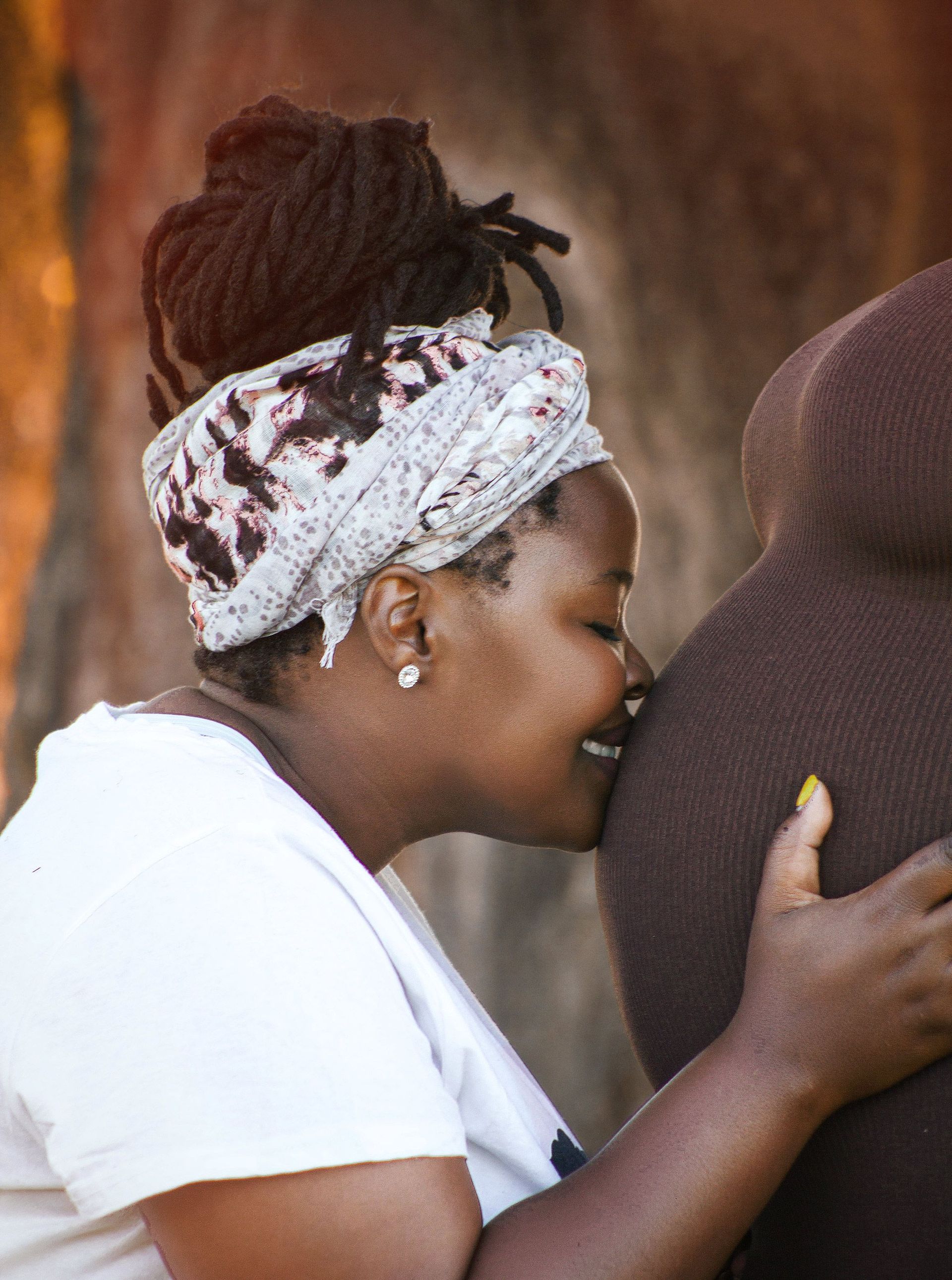
The word doula comes from the ancient Greek word doulē, often translated as "woman servant" or attendant. The modern use of the term emerged in the natural childbirth movement of the 1970s, where it became associated with trained, non-medical support for people during pregnancy, labour, birth, and postpartum.
Today, the role has expanded.
There are birth doulas, postpartum doulas, abortion doulas, fertility doulas, full-spectrum doulas, and end-of-life or death doulas. While their contexts differ, one thing connects them all: The doula accompanies a person through a threshold.
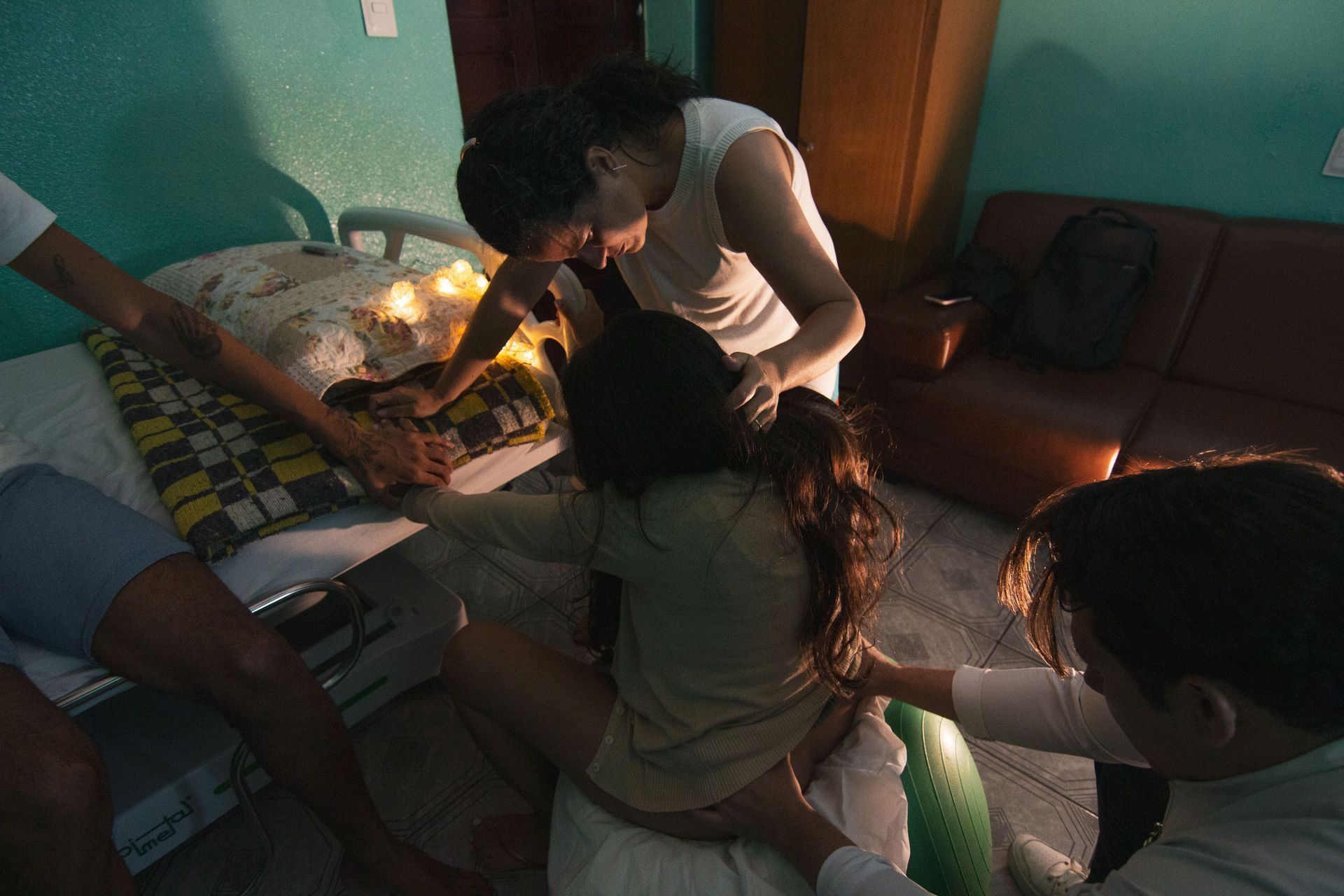
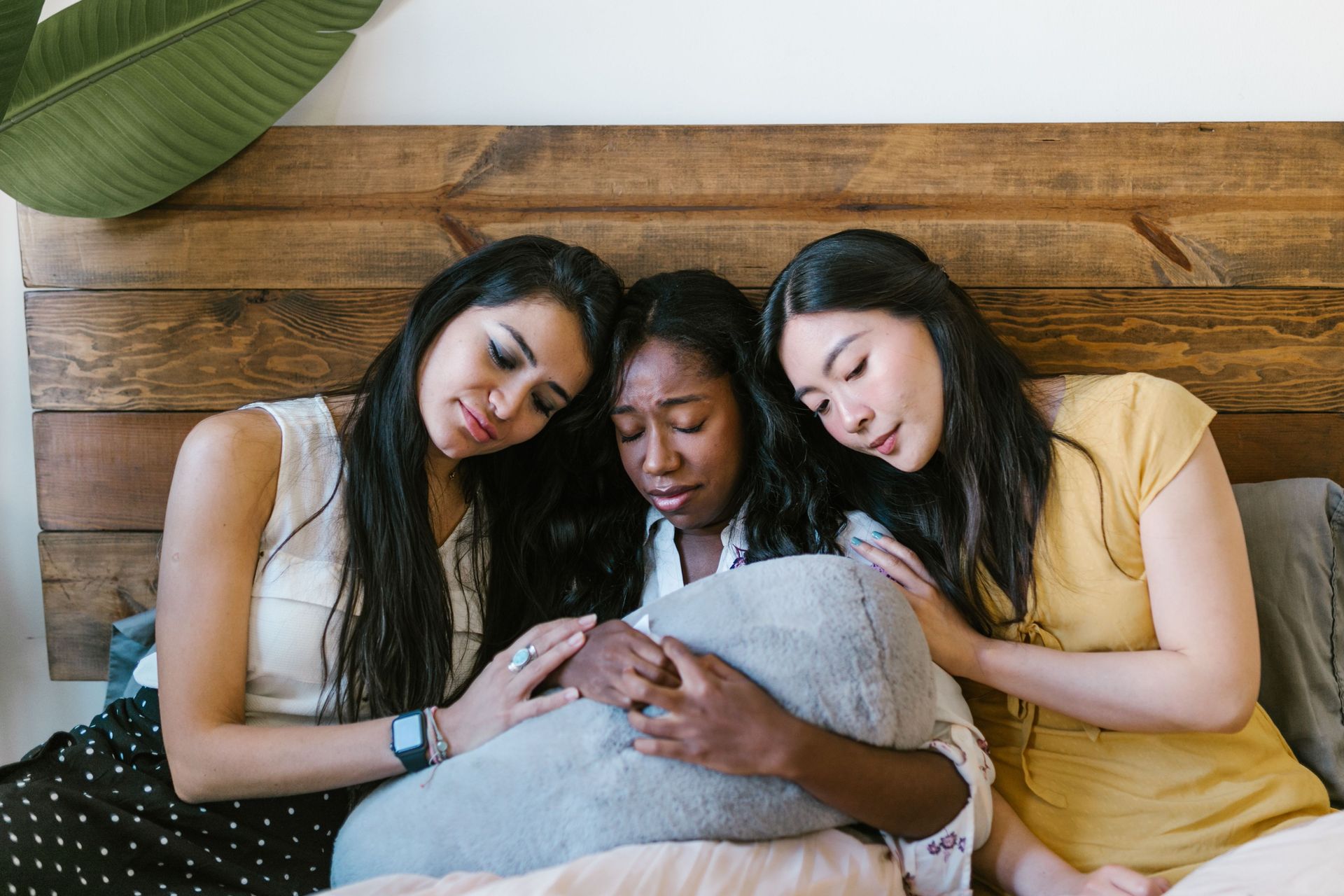
A doula does not typically make decisions for someone, nor do they replace medical professionals. They do not take ownership over another person's experience. Instead, at their best, they offer information, emotional support, practical care, presence, and companionship. They help create conditions where a person can remain connected to their own agency while moving through an experience that may feel overwhelming, unfamiliar, painful, beautiful, frightening, or profound.
Before Doulas Were Called Doulas
While the contemporary term "doula" has a relatively recent history, the practice of accompanying one another through major life transitions is far older than the word itself.
Across cultures and throughout history, birth was often attended by networks of women, family members, midwives, elders, and community members. Institutions did not hold all knowledge about pregnancy, birth, death, and caregiving. It was carried through communities.
Women learned by witnessing. They learned from mothers, sisters, aunties, midwives, and elders. They were not necessarily encountering the realities of birth for the first time while lying in a hospital bed.
As childbirth increasingly moved into institutional settings during the twentieth century, many forms of continuous community support became less common. Research on continuous labour support explicitly notes this historical shift, observing that women had traditionally been supported by other women throughout labour, while hospital-based systems often made continuous companionship the exception rather than the norm.
This is not to romanticize the past or suggest that we should reject modern medicine. Modern medicine has saved countless lives. Medical intervention can be essential, life-giving, and deeply necessary.
There is a difference between receiving medical care and surrendering all authority over one's own experience. There is a difference between expertise and hierarchy. There is a difference between being supported and being spoken over. A doula exists, in part, in this space between. They can help bridge the clinical and the human.
Returning Agency to the Hands of the Person Crossing
One of the most powerful aspects of doula care is its relationship to agency.
A good doula does not say, "Here is what you should do."
Instead, they might ask:
"What are your options?"
"What information do you need?"
"What feels important to you?"
"What questions do you want to ask?"
"What would help you feel supported right now?"
This is especially important when the nervous system may be overwhelmed. At a threshold, we can become highly suggestible. We may feel afraid. We may not know what is happening. We may defer automatically to the person who appears to have the most authority. And sometimes, that authority is necessary. Sometimes, expertise must guide action.
But agency and expertise need not be opposites.
The World Health Organization's recommendations for childbirth explicitly include respectful maternity care, informed choice, effective communication, and continuous support. The WHO also recommends that every woman have access to a companion of her choice throughout labour and childbirth.
Research has similarly found meaningful benefits associated with continuous support during childbirth. A major Cochrane review examining 26 trials involving more than 15,000 women found that continuous support was associated with more positive birth experiences and, across the evidence reviewed, a higher likelihood of spontaneous vaginal birth, shorter labour, and a lower likelihood of certain interventions, including cesarean birth.
The Threshold Between Life and Death
This is where the relationship between birth doulas and death doulas becomes particularly interesting.
Birth and death are often treated as opposites. But both are thresholds. Both involve surrendering to processes we cannot fully control. Both can bring fear, pain, uncertainty, and profound transformation. Both ask something of the people surrounding the person crossing.
End-of-life doulas have emerged more visibly in recent decades as community-based, non-medical companions for people approaching death and for those close to them. Their support can include emotional, practical, social, spiritual, and informational care. Depending on the context, they may also support after-death care, legacy work, funeral planning, and conversations about what a person wants at the end of their life.
Research on the end-of-life doula movement describes it, in part, as a reclaiming of community-based traditions of care. This language of reclaiming is important. Because death, like birth, has increasingly been moved into professional and institutional spaces.
Again, professional care is often necessary. Palliative care, hospice workers, doctors, nurses, and other specialists offer essential support. But specialization can sometimes unintentionally create the belief that ordinary people no longer know how to care for one another. That death belongs only to professionals. That birth belongs only to experts. That grief should be managed privately. That the body cannot be trusted unless it is constantly monitored. That the unknown must immediately be explained.
The return of the doula invites a different possibility.
What if we remembered that expertise and community can coexist? What if professional care and human presence were not competing models? What if we didn't have to outsource our humanity to receive support?
The Ritual of Being Witnessed
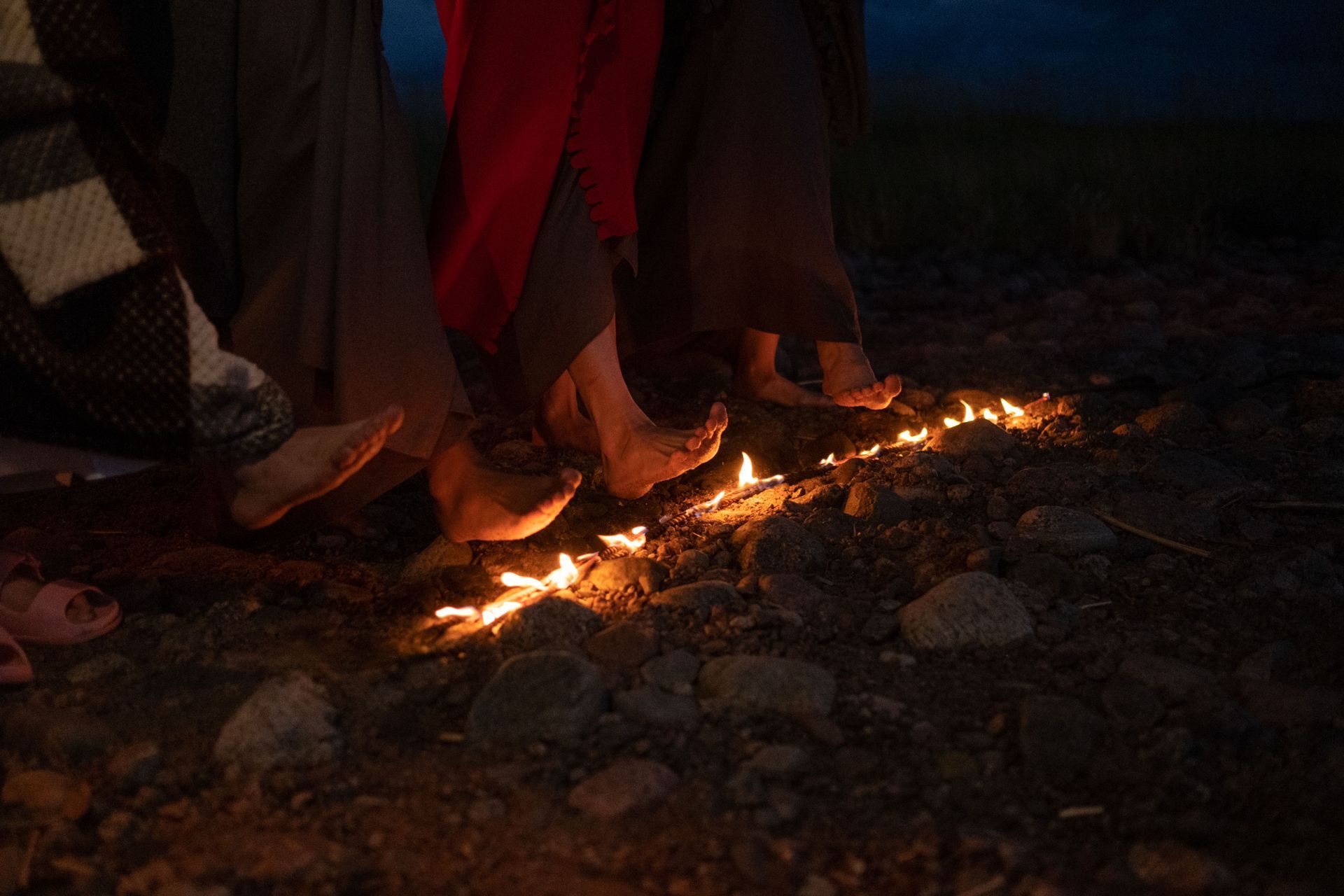
Being witnessed feels ceremonial. Ceremony doesn't necessarily require candles, music, or sacred objects, though those things can certainly help create meaning. Ceremony begins when we give something our attention. When we acknowledge that this moment matters. When we pause long enough to recognize that someone is no longer who they were before.
A doula, in this sense, helps us slow down at the threshold. They help us resist the cultural impulse to rush through. They remind us that becoming takes time. That grief has a rhythm. That birth is not simply the production of a baby. That death is not merely a medical failure. That the body is not simply a machine to optimize. That human beings are relational creatures. And that some experiences cannot be solved. They can only be accompanied.
Relearning Trust
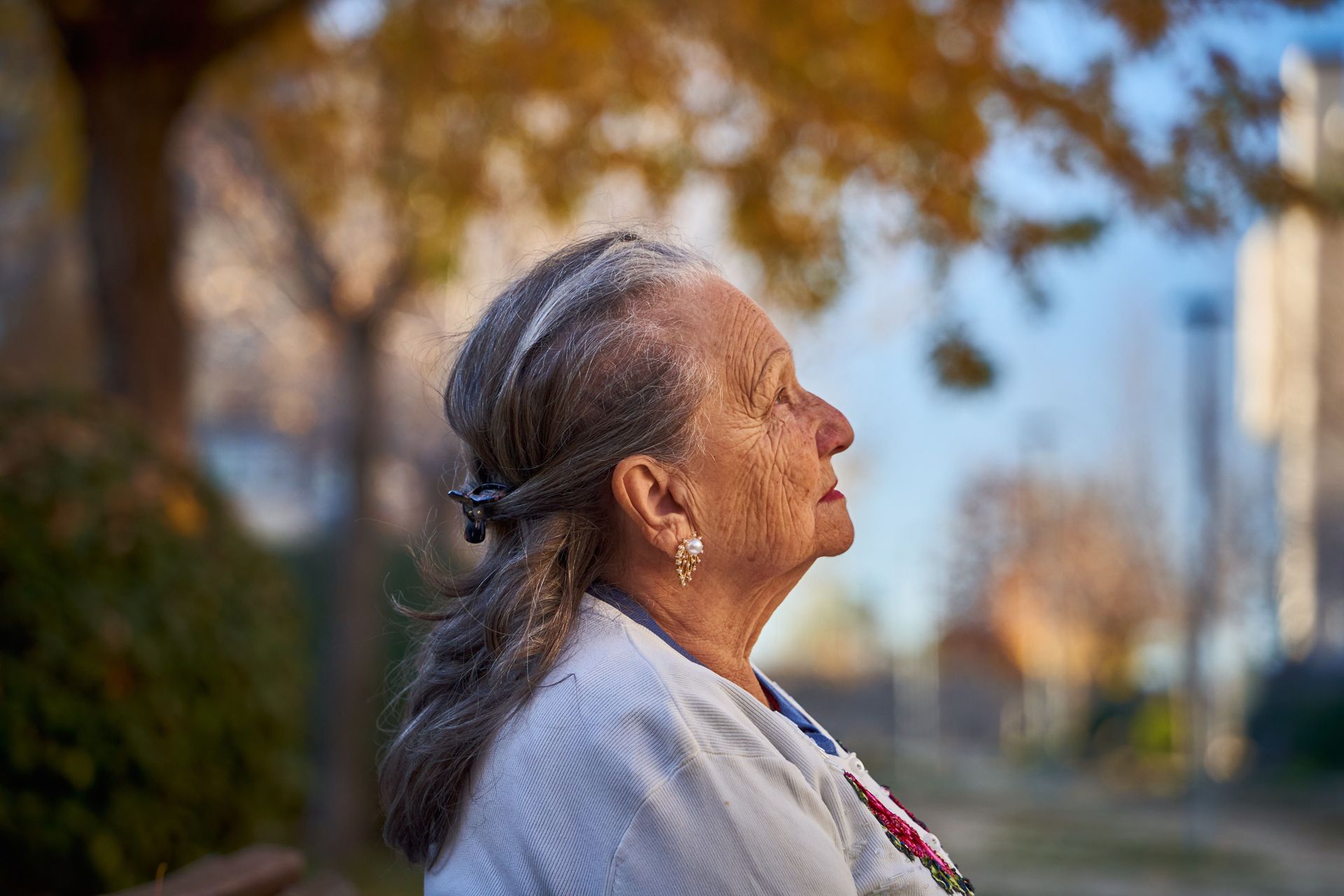
We need doulas because we need one another. We need people who remember that there are moments in life that cannot be reduced to appointments, diagnoses, procedures, or timelines. We need people who understand that a threshold is not simply a point between Point A and Point B. It is a place in itself. A liminal space. A place where the old world has ended but the new one has not yet fully arrived. We were never meant to experience the most significant moments of our lives as isolated individuals. We were meant to gather. To tend. To witness. To grieve. To celebrate. To sit beside the unknown. The doula is one expression of this remembering.
They stand at the threshold and say, in whatever form their care takes:
You are crossing into something new.
Let us slow down enough to notice.
Let us remember that you belong to yourself.
And let us remember that you do not have to cross alone.
I will stay with you while the world changes.
At Venusian Womb, we have come to understand something through our work, our gatherings, and the many thresholds we have crossed together: Life is a ceremony. We don’t believe every moment needs to be made sacred through elaborate ritual, but we do recognize that life itself constantly asks us to cross thresholds.
The only constant in life is change, and we therefore continuously move from one version of ourselves into another. We become daughters, lovers, mothers, caregivers, elders. We grieve people we thought would be with us forever. We leave relationships. We enter new identities. We conceive ideas. We give birth to children. We give birth to ideas. We lose what we thought we could not live without. We watch those we love die. Eventually, we too will cross that final threshold.
The human experience is a spiral weaving beginnings and endings. And somehow…. Many of us have forgotten how to cross them. We live in a culture that often treats transition as something to get through as quickly and efficiently as possible. Birth becomes a medical event. Death becomes something hidden behind institutional doors. Grief is given a timeline. Postpartum is expected to end after a few weeks. Adolescence has few meaningful rites of passage. Even major identity shifts are often navigated privately, silently, and alone.
In his foundational work The Rites of Passage, Arnold van Gennep explored how societies across cultures have marked significant transitions in human life, from birth and puberty to marriage, parenthood, old age, and death. He observed a recurring pattern: separation from what was, a period of transition, and eventual incorporation into what comes next. These passages were not simply understood as private events; they marked what was ending and made space for what was emerging.
This history matters because the modern doula does not emerge from nowhere. While the contemporary use of the word has a specific history, the practice of accompanying another human being through a profound transition belongs to a much older lineage of communal care. A doula is not simply someone who attends a birth, but a person who accompanies us at the edge of what we know.
References
- Bohren, M. A., Hofmeyr, G. J., Sakala, C., Fukuzawa, R. K., & Cuthbert, A. (2017). Continuous support for women during childbirth. Cochrane Database of Systematic Reviews.
- Forth, G. (2018). Rites of passage. In The International Encyclopedia of Anthropology. Wiley. https://doi.org/10.1002/9781118924396.wbiea2002
- Turner, V. (1969). The ritual process: Structure and anti-structure. Aldine Publishing.
- Van Gennep, A. (1960). The rites of passage (M. B. Vizedom & G. L. Caffee, Trans.). University of Chicago Press. (Original work published 1909)
- World Health Organization. (2018). WHO recommendations: Intrapartum care for a positive childbirth experience.
- World Health Organization. (2020). Companion of choice during labour and childbirth for improved quality of care.
- Krawczyk, M., & Rush, M. (2020). Describing the end-of-life doula role and practices of care: Perspectives from four countries. Palliative Care and Social Practice.
Recent Posts